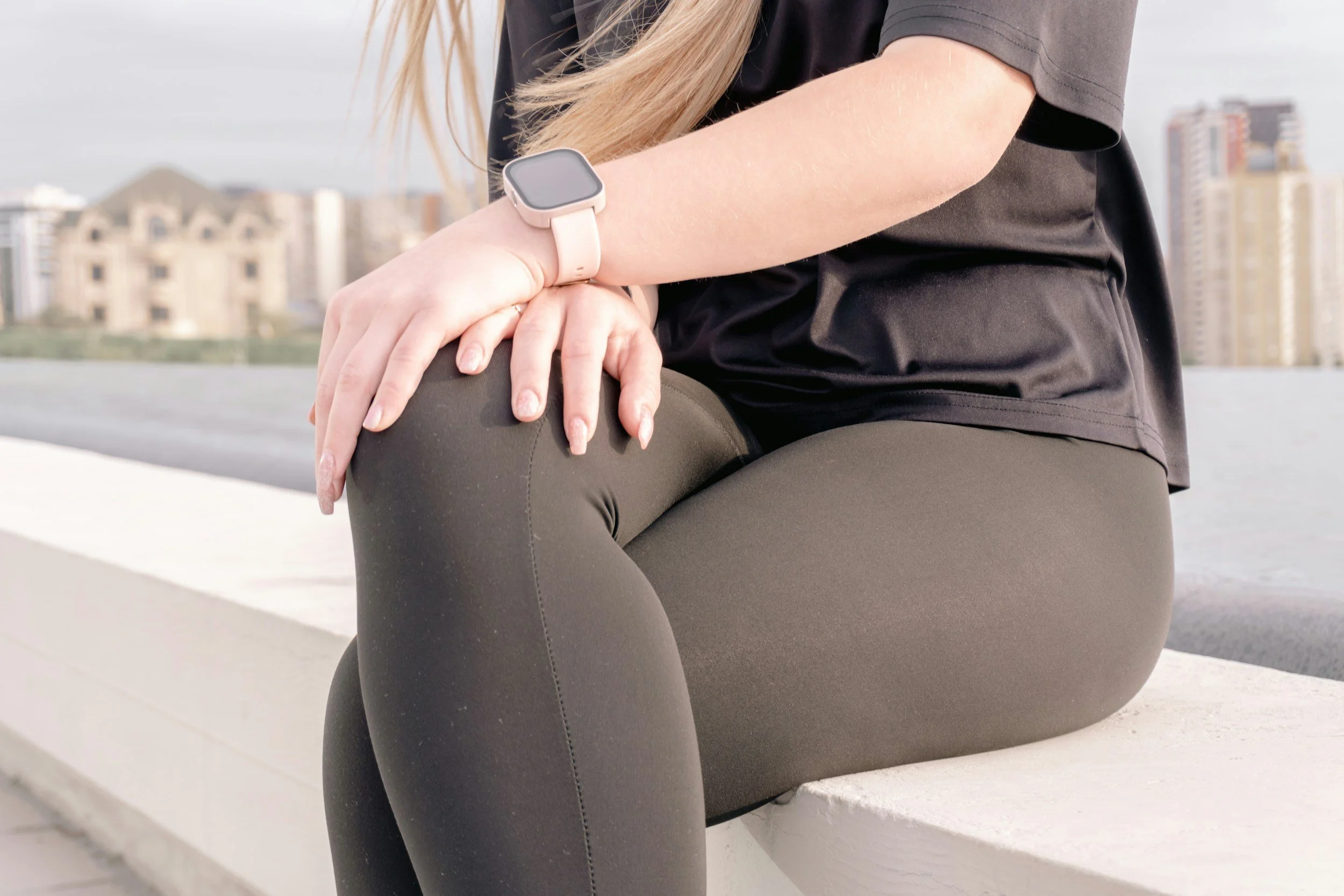
Compression Garments
Either as a primary or secondary condition, many chronically ill patients find themselves needing compression to manage swelling, blood pressure fluctuation, and other conditions. This area of durable medical equipment can change daily life, but often seems hidden away in basements of hospitals and rehab centers. Here are basics about compression, what to expect if you are sent for a fitting, and a gathering of resources from around the internet.
Four Pillars of Containment.
Fluid science dictates the amount of containment you need based on your condition and your vascular and lymphatic systems. First off, let’s dispel the #1 myth: tightness is not the goal of compression. Whether you are replacing your lymph system after cancer treatment, keeping your blood pressure from bottoming out with POTS, or supporting vessels with weak connective tissue, the goal of compression is CONTAINMENT. There are four pillars of containment:
FIT — your garments must fit your actual measurements. Not your clothing size. Not your height and weight. Your actual centimeters or inches around the area to be contained and the places above and below the swelling. You do not want the smallest size you can squeeze yourself into. You want the right size for your actual body that you have right now. Avoid dangerous situations, pain, and frustration with the right size garments.
KNIT — all compression garments include some combination of elastic fabrics. But the garments you buy over the counter are majority elastic circular knit; they do not have a visible seam and are engineered to squeeze around (like pantyhose). They can accommodate a range of measurements at each size. There are medical grade elastic fabrics available through certified fitters and manufacturers.
The highest and best containment comes from flat knit fabrics. These fabrics are stronger, hold their shape, and are sewn to fit your exact measurements. These garments have seams as they are handmade for each patient. Flat knit garments do not squeeze; they press against swelling. They are more comfortable for longer periods of time, less likely to stretch throughout the day, and able to return to their shape after a hand wash.LENGTH — If your lymphatic or vascular system is impaired, you may need longer coverage than just the specific area that is swelling. Your OT or oncologist or vascular doctor will recommend the length that will be best for you, whether only the most distant places like fingers and toes, calf or arm length, or full leg or waist high, etc. Often, wearing compression socks can cause a subsequent swelling of fluid above the knee, so your length may have to adjust based on how your body responds to containment.
PRESSURE — The most recognized characteristic is the degree of graduated pressure:
class 1 (10-20 mmHg)
class II (20-30 mmHG)
class III (30-40mmHg)
class IV (40mmHg+)Sometimes these are referred to as Light, Firm, Extra Firm, and Firmest categories for non-medical grade products. These numbers signify how much pressure the fabric will exert on the skin when fitted correctly. The higher number is the pressure at the lowest point of the garment, and pressure decreases as it approaches the heart. This is how compression garments encourage the proper flow of fluids around the body. The amount of pressure you need will be based on your condition and the expertise of the Occupational Therapist or compression fitter in partnership with your doctor. If you feel better with greater or lesser pressure, make sure to share this with your medical professional so they can take this under consideration. The higher the pressure, the harder the garment will be to don and doff, though a well-fitting garment should never ever require intense struggle or cut off circulation.
-
A list of conditions that could be helped with compression
Chronic Venous Insufficiency (CVI)
Varicose Veins
Edema and Swelling
Venous Leg Ulcers (VLU)
Deep Vein Thrombosis (DVT) Prevention
Peripheral artery disease (mild)
Post-Thrombotic Syndrome (PTS)
Lymphedema
Superficial Thrombophlebitis
Orthostatic Hypotension (POTS)
Lipoedema
Post-surgical swelling
Pregnancy-related swelling
Diabetes-related circulation issues
Raynaud's disease
Cellulitis (recurrent prevention)
Scarring / keloids/ burn recovery/ skin grafts
Hypermobile Ehlers-Danlos syndrome (hEDS)
Chronic fatigue syndrome
Post-COVID circulation issues
Plantar fasciitis
Sports injuries / muscle recovery / shin splints
-
If you landed here because something feels off — your legs are heavy by afternoon, your ankles swell on long days, you feel better when you prop your feet up, your hands or feet go numb, or you've noticed one limb is larger than the other — you're in the right place, even without a diagnosis.
Compression isn't only for people with a confirmed condition. It's often the thing that helps you figure out whether you have one.
Here's how to start:
Notice and document what's happening. Before any appointment, spend a few days writing down when the swelling, heaviness, or discomfort happens — morning vs. evening, after sitting vs. standing, on hot days vs. cold. This information is genuinely useful to a doctor and much easier to communicate when it's written down. (The free Doctor Visit Planner can help.)
Bring it to your primary care doctor first. You don't need a specialist referral to start this conversation. Tell your PCP what you've been noticing and ask specifically: "Could compression help with this, and should I see a vascular specialist or lymphedema therapist?" Those two words — vascular and lymphedema — will signal that you've done some research and help move the conversation forward.
Ask for a referral to a certified fitter or OT. If your doctor agrees compression might help, ask for a referral to a certified lymphedema therapist or a medical compression fitter — not just a recommendation to pick something up at the pharmacy. A proper fitting changes the outcome entirely.
In the meantime, proceed carefully with over-the-counter options. If you want to try compression before your appointment, stay in the 10–20 mmHg range and prioritize fit over tightness by using a fabric measuring tape to measure your circumference and check Size Guides for the product you are considering.
-
**If your symptoms came on suddenly, are only on one side, include redness or warmth, or followed an injury or surgery, contact your doctor promptly rather than starting compression on your own. Sudden unilateral swelling can indicate a clot and should be evaluated first.
Other Conditions That Are NOT Compatible with Compression:
advanced peripheral arterial disease (PAD)
untreated septic phlebitis,
uncontrolled congestive heart failure
some forms of deep vein thrombosis (DVT)
open wounds
active skin infections (cellulitis)
severe neuropathy
allergies to stocking materials
COMPRESSION GARMENT RESOURCES
FIND A LYMPHEDEMA THERAPIST
Database from National Lymphedema Network
Complimentary, medically necessary compression garments to people with lymphedema who experience financial hardship
PARTICIPANTS IN THE NLN GARMENT PROGRAM (Whole US)
CANCER TREATMENT CENTERS
Many cancer treatment hospitals have a foundation which either fully or partially subsidizes medical garments for cancer patients who meet certain income levels to be sure they can get their medically necessary garments. Ask your oncologist, your compression fitter, or your Lymph OT for the resources nearest to you.
ABOUT LYMPHEDEMA:
Explainers from National Lymphedema Network
Video Library from National Lymphedema Network